Heat pumps are an important technology for efficient heating and cooling, but they are not automatically the right choice for every building in Iran. Climate, insulation, heat distribution, electrical capacity and energy prices all affect the result.
What is a heat pump?
A heat pump uses electricity to transfer heat from one place to another. In heating mode, its source may be outdoor air, the ground or water. It operates through a refrigeration cycle. Reversible models can provide heating in winter and cooling in summer; not every model provides both.
The coefficient of performance (COP) describes performance under specified conditions. A COP of 3 means that one unit of electrical energy delivers approximately three units of heat. COP changes with outdoor temperature, supply-water temperature, installation and operating conditions.
The International Energy Agency reports that heat pumps on the market can be three to five times as energy efficient as natural-gas boilers. This does not guarantee lower bills everywhere: electricity and gas prices, installation cost and the building itself determine the financial outcome.
Main types of heat pump
Air-to-air
These systems transfer heat from outdoor air directly to indoor air. Many inverter split systems with a heating mode belong to this category. Installation is generally simpler than for ground-source systems. Conventional air-to-air units do not supply domestic hot water.
Air-to-water
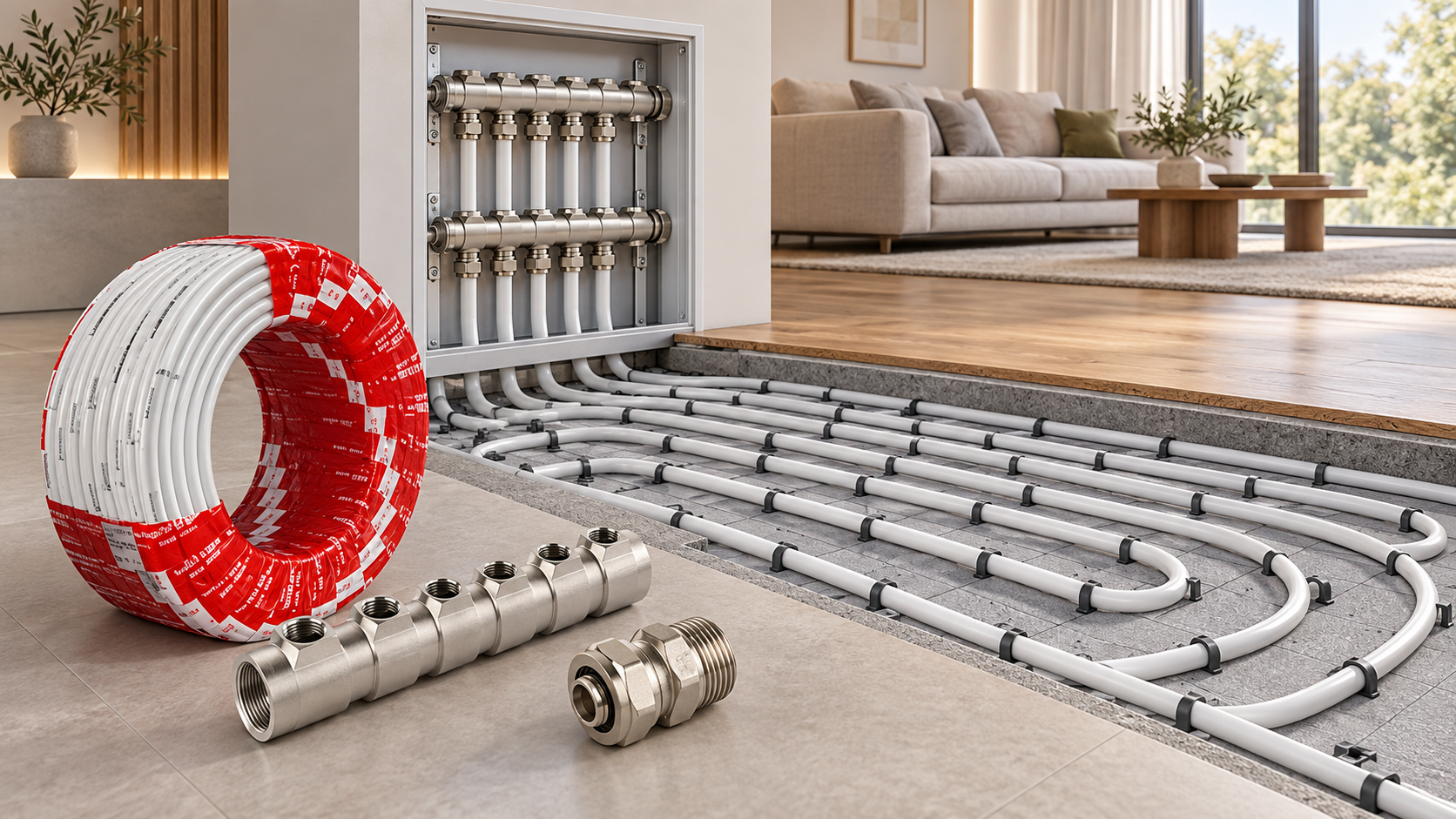
These transfer heat to a water circuit serving underfloor heating, suitable fan coils, appropriately sized radiators or a compatible hot-water cylinder. Supply-water temperature and emitter sizing directly affect efficiency. Hot-water production requires the appropriate equipment and controls.
Ground-source
These use the relatively stable temperature of the ground or groundwater. Winter performance may be more stable, but excavation or drilling, ground conditions, available space and higher initial costs require project-specific assessment.
Assessing Iran's different climates
There is no single solution for every Iranian city. Design temperatures, humidity, dust, local service availability and the building's energy supply must be assessed. The table below is an initial interpretation of general design principles, not field-test evidence from Iranian cities or a guarantee of financial savings.
| Climate | Initial assessment | Design priorities |
|---|---|---|
| Mild, humid northern regions | Milder winters may support efficient operation. | Humidity control in cooling, drainage, corrosion protection and outdoor-coil defrost in cold, humid weather. |
| Tehran and the central plateau | Local design temperatures are decisive; insulation and low-temperature emitters help. | Cold-night capacity, electrical supply and any need for backup heat. |
| Cold western and northwestern regions | Requires specialist equipment selection. | Cold-climate models, capacity below freezing, defrost and justified backup or hybrid arrangements. |
| Hot, humid southern regions | Cooling capacity at high ambient temperatures deserves priority. | Cooling efficiency, salt-related corrosion, humidity control and coil suitability. |
| Hot, dry and desert regions | Depends on the permitted operating range and actual capacity. | Dust, filters, unobstructed airflow, manufacturer-specified clearances and day-to-night temperature differences. |
How does insulation affect consumption and sizing?
Leaky windows, draughts and uninsulated roofs increase heating demand. Improving the building envelope can reduce energy consumption and the required equipment capacity. However, a complete insulation upgrade is not always a prerequisite: IEA analysis finds that heat pumps can also save energy compared with gas boilers in poorly insulated homes. Size the equipment for the actual building load and planned improvements.
Oversizing is not a reliable shortcut. In particular, a unit whose minimum output exceeds demand may cycle frequently and cost more to buy. Envelope improvements and correct sizing can help reduce peak electrical demand.
Choosing a compatible heat-distribution system
Air-to-water heat pumps generally operate more efficiently at lower supply-water temperatures. Underfloor heating, suitable fan coils and adequately sized low-temperature radiators are therefore useful options. Existing radiators designed for very hot boiler water may not deliver enough heat without changes to emitter area or operating temperature.
Hydronic design must address pipes and fittings, insulation, hydraulic balancing, system water volume, expansion vessels, circulation pumps and controls. Every component's temperature and pressure ratings must suit the selected system. Insulate hot-water pipework, especially in unheated spaces, plant rooms, risers and exposed routes.
Electricity, gas and running costs in Iran
Replacing gas heating with a heat pump reduces on-site gas use but adds electrical load. Check service capacity, single- or three-phase requirements, wiring, protection, voltage conditions and simultaneous loads. Larger projects need electrical design that accounts for winter demand.
Access to gas and the tariffs applicable to the building affect payback. A high catalogue COP alone does not establish value for money. Compare purchase and installation costs, seasonal consumption, current tariff bands, maintenance and backup requirements. This article does not calculate current Iranian tariffs or a specific payback period.
When is a hybrid system worth considering?
In very cold locations or buildings with high heating loads, a hybrid arrangement may be practical. A heat pump can serve much of the season, with a boiler or other backup source supporting peak demand. Set the changeover point according to actual capacity, efficiency and energy prices. Backup is a design decision, not a universal requirement.
What should you check before buying?
- Heating capacity at the local winter design temperature, rather than nominal output alone.
- COP at specified test conditions and an appropriate seasonal performance metric.
- Minimum operating temperature and defrost behaviour.
- For water-based systems, supply-water temperature and compatibility with emitters.
- Electrical input, starting current and service requirements.
- Outdoor-unit noise and positioning relative to windows and neighbours.
- Refrigerant type, qualified servicing, spare parts and after-sales support.
- Pipework, insulation, controls and correct hydraulic installation.
Common selection mistakes
- Sizing by floor area alone: equally sized buildings can have very different heating loads.
- Relying on one COP figure: the catalogue value applies to specified test conditions.
- Ignoring water temperature: higher delivery temperatures generally reduce efficiency.
- Using unsuitable pipes or fittings: choose all components for the required temperature, pressure and operating conditions.
- Removing backup without calculation: some buildings or climates require additional peak heating capacity.
- Neglecting maintenance: dirty coils, blocked filters, refrigerant problems and incorrect controls can increase consumption.
Frequently asked questions
Do heat pumps work below freezing?
Yes. Cold-climate models can operate below freezing, but capacity and efficiency vary with outdoor temperature. Check performance at the project's design temperature and assess backup needs.
Can I keep my existing radiators?
Sometimes. Calculate heating demand and radiator output at the proposed water temperature. Larger radiators or fan coils may be needed.
Is an inverter split system a heat pump?
A conventional split system with a reversible heating mode is an air-to-air heat pump. The inverter controls compressor speed; it is not what defines a heat pump. Such units generally do not supply underfloor heating or domestic hot water.
Is a heat pump always cheaper than a gas boiler?
No. Climate, building demand, efficiency, electricity and gas tariffs, installation costs and heat distribution must be compared for the individual project.
Making a project-specific choice
Heat pumps are an established energy-efficient technology whose results depend on design. Mild conditions, insulated buildings and low-temperature heating can support high efficiency. In colder conditions, assess cold-climate equipment, backup arrangements and, where feasible, ground-source options.
Before purchasing, check the heating load, electrical supply, required water temperature and distribution components. PIPE HOUSE AMINI offers product enquiries and guidance on pipes, fittings and building-services supplies.
Browse pipes, fittings and building-services products
This is an introductory selection guide. Final equipment, electrical and hydronic design requires qualified assessment and the manufacturer's instructions.